Solutions we've built
for research labs.
Each of these started as a real bottleneck in a real lab. We build it, validate against your manual baseline, document it, and hand it off — so what you see below is a pipeline a lab owns and runs, not a demo. We describe what each one does; the methods stay yours.
QuPath imaging pipelines
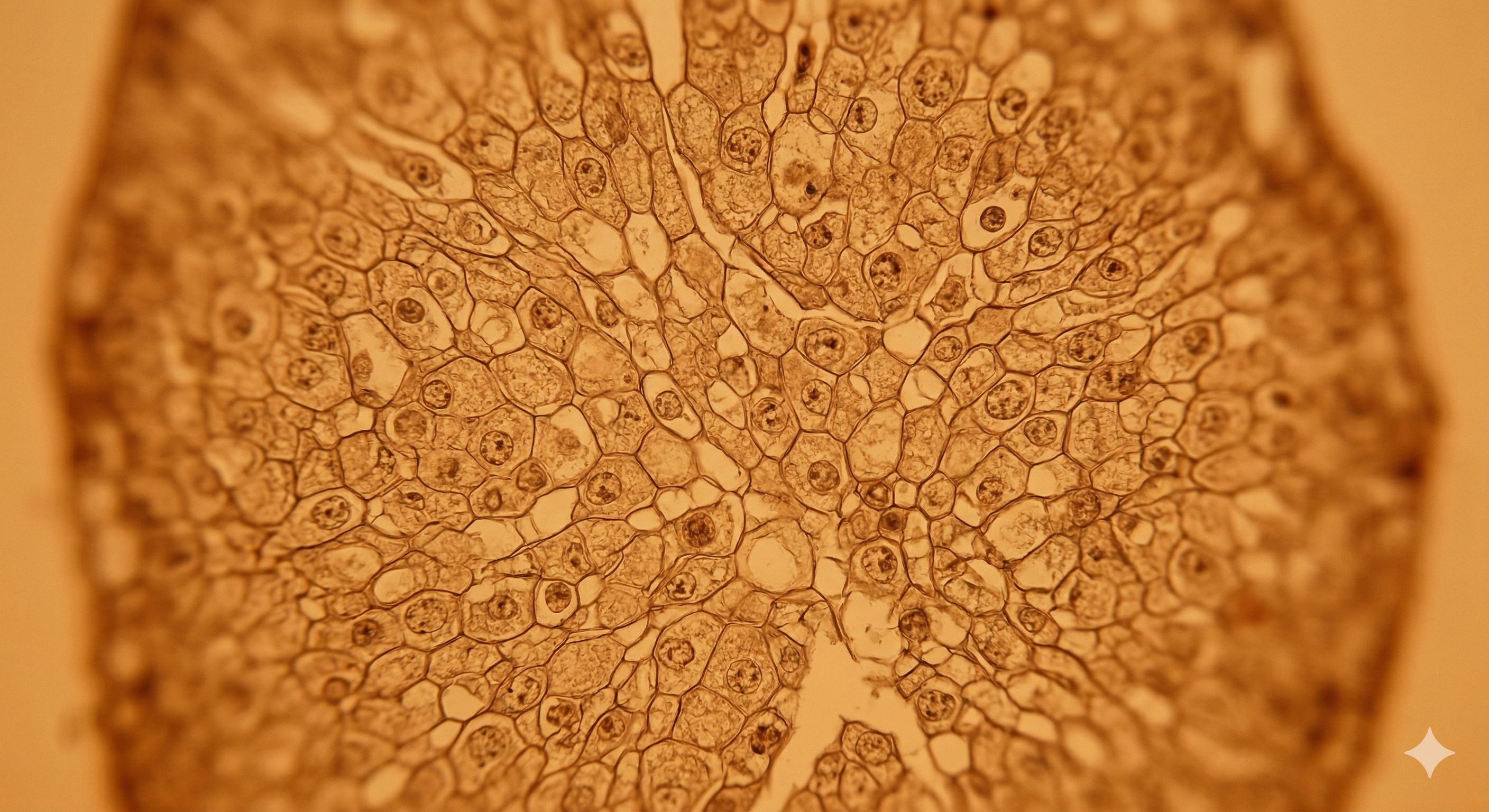
Documented QuPath pipelines for stained tissue sections — MOVAT for plaque and matrix composition, Picrosirius Red for collagen. A batch that took a postdoc a full day of manual scoring becomes a reproducible run anyone in the lab can repeat, with counts that don't drift between sessions.
VesselStats
Vessel morphometry and statistics for vascular studies, computed the same way on every section — wall and lumen measurements through to publication-ready tables. The numbers are reproducible, and they still hold up when a reviewer asks six months later.

ColonyOS
One structured system for the records that live across spreadsheets today: animal colony records, genotyping logs, cage assignments, weaning schedules, and sample inventories. It runs on a stack your institution can support, so nobody loses a cage or a genotype to a stale tab again.
Research data pipelines
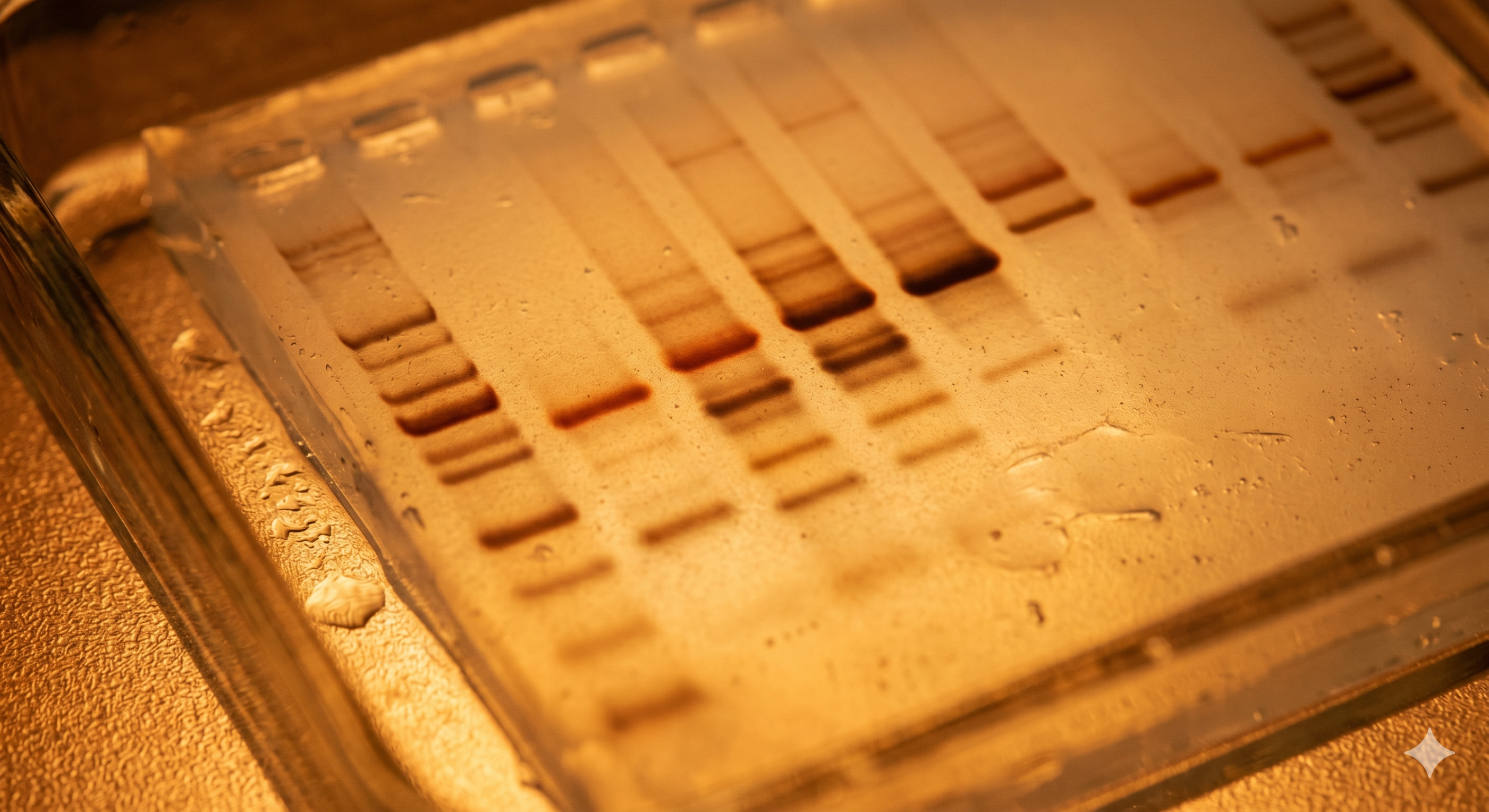
R and Python workflows that clean, join, QC, and model your experimental data — logistic regression, count, survival, and mixed-effects models — producing reproducible tables and figures instead of a folder called FINAL_v3.

What this looks like in practice
How we deliver: the Laminar Sprint
30 days. Fixed price. A working pipeline you own.
One decision. One fixed cost. No open-ended retainer.
If you're on the fence
-
"My data is too messy / too small."
Messy is the normal starting point. The folder called FINAL_v3 is exactly what we work with — you don't need to clean anything up before you reach out.
-
"I don't have budget approval yet."
The scoping call is free, and you get a fixed price before you commit to anything. No hourly meter, no open-ended retainer — a single number you can take to your budget.
-
"Our IT will never allow it."
We deliver in local files, documented scripts, or institution-approved stacks, and scope around IT restrictions from day one. The result runs inside your lab, not around it.
See one of these in your own lab. Tell us what you're measuring by hand.
Free, no-obligation call. Fixed-price proposal within 48 hours. You own everything we build.